Aquaculture and food security in Africa are today inseparable. As the African continent is home to the youngest and most rapidly growing population in the world, its ability to feed its people increasingly depends on the development of a mastered local aquaculture production, in the face of wild fishery resources under growing pressure.
Fish, the unsung pillar of African nutrition
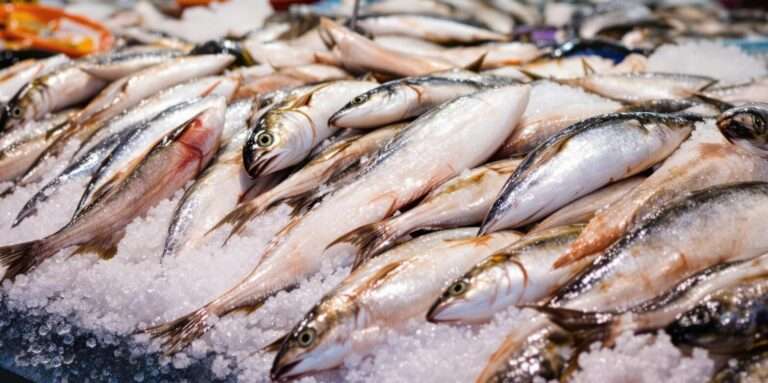
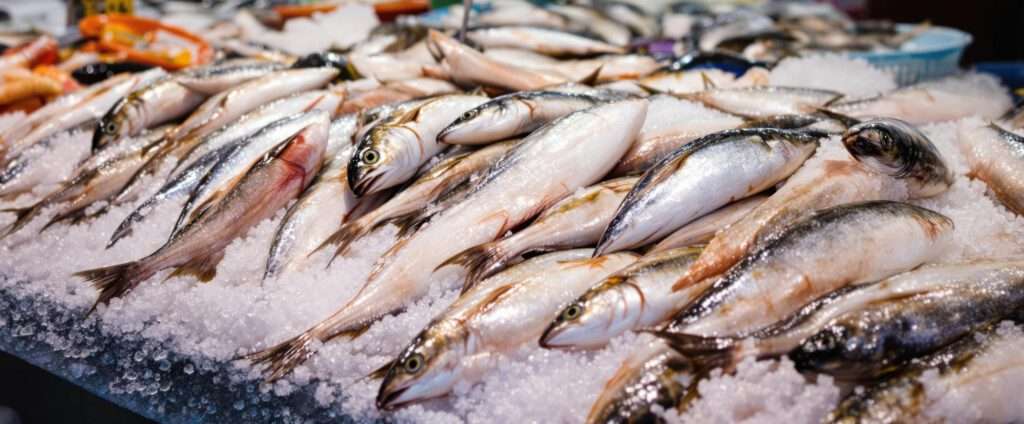
Fish occupies an often underestimated place in African diets, and is one of the cornerstones of aquaculture and food security in Africa. According to the FAO, aquatic products provide approximately 17% of animal proteins consumed globally — a share that rises to 19% in sub-Saharan Africa, a region nevertheless confronted with severe nutritional deficits.
Beyond proteins, fish provides essential micronutrients: omega-3 fatty acids, vitamins D, A and B, and minerals such as calcium, iodine and zinc. These are precisely the elements lacking in many African diets, where more than 34% of the population suffers from chronic malnutrition according to the World Food Programme.
For millions of African households, fish is not a luxury: it is the main — and sometimes the only — affordable source of animal protein.
5 essential figures on aquaculture and food security in Africa
- 19% — Share of animal proteins provided by fish in sub-Saharan Africa (FAO).
- 34% — Proportion of the African population suffering from chronic malnutrition (WFP, 2019).
- 62.3% — Share of global marine stocks still exploited at a biologically sustainable level in 2021, down 2.3% in two years (FAO SOFIA 2024).
- 21.3 kg — Expected global fish consumption per capita by 2032, against a declining trend in Africa if local production fails to keep pace with population growth.
- 3 to 4% — Annual growth rate of demand for animal proteins in sub-Saharan Africa, driven by an emerging middle class.
Overfishing, a direct threat to food security
Aquaculture and food security in Africa cannot be considered without addressing overfishing. This phenomenon directly threatens the nutritional balance of millions of Africans. According to Greenpeace and the FAO, nearly 300,000 artisanal jobs have already disappeared in West Africa due to the depletion of fish stocks. Illegal overfishing is estimated to account for up to 30% of catches in some areas, depriving local populations of a vital resource.
Experts estimate that marine fish stocks in Africa have declined by around 20% since 2010, under the combined effect of overfishing, climate change and coastal water pollution. This structural decline directly impacts the availability and price of fish for the most vulnerable consumers.
A demographic shift that makes aquaculture indispensable
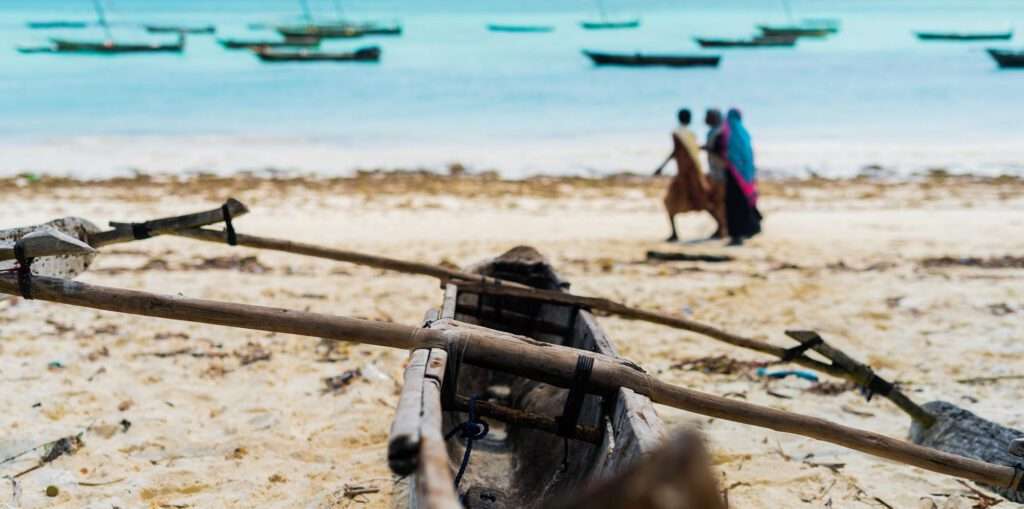
The FAO is sounding the alarm on aquaculture and food security in Africa: per capita fish consumption is expected to decline in the coming decades if local production fails to keep pace with population growth. The African continent is expected to double its population by 2050, rising from around 1.4 billion to nearly 2.8 billion inhabitants.
Faced with this projection, aquaculture and food security in Africa are intimately linked: it is mathematically impossible to maintain current protein intakes by relying solely on capture fisheries, whose growth potential is biologically limited. The development of aquatic farming is therefore no longer a diversification option — it is a strategic necessity.
Aquaculture, a concrete and accessible solution
To address the challenges of aquaculture and food security in Africa, aquatic farming offers assets particularly well suited to the African context:
- Protein efficiency: 1 kg of fish provides around 20 g of complete proteins, as well as omega-3 fatty acids essential for child development.
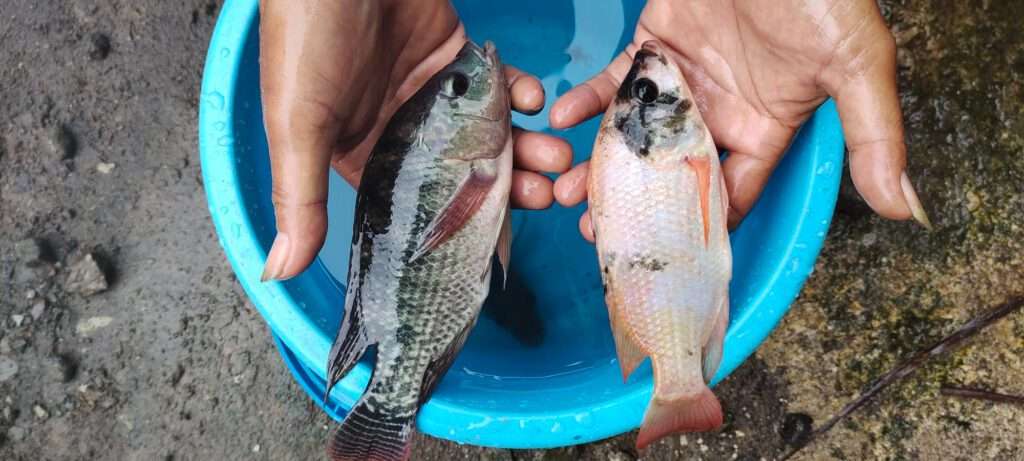
- Economic accessibility: tilapia and catfish, the dominant species in Africa, can be produced at costs well below those of beef or mutton.
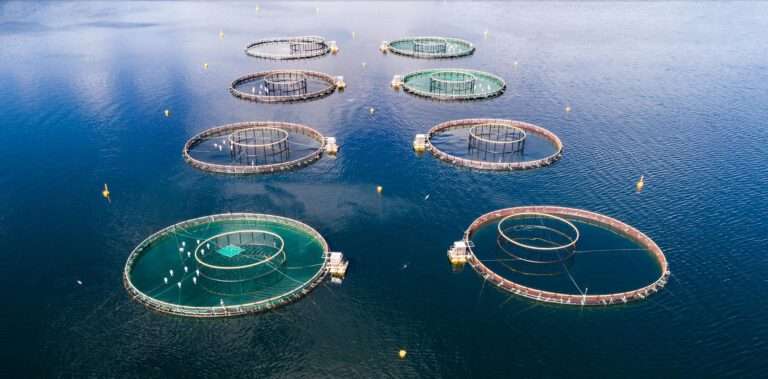
- Adaptability: pond, cage or recirculation system aquaculture can be established in both rural and urban areas.
- Female employment: fish processing and marketing predominantly employ women, making aquaculture a powerful driver of economic inclusion.
Recent initiatives confirm this potential. The Regional Aquaculture and Fisheries Management Programme (PRGAPP) in Côte d’Ivoire shows a return on investment within 18 months. The African Development Bank (AfDB) has injected more than one billion dollars into the sector in recent years to accelerate its structuring.
The obstacles holding back aquaculture and food security in Africa
Despite this potential, aquaculture and food security in Africa remain weakened by several constraints.
Post-harvest losses. Due to insufficient cold chain infrastructure, up to 40% of fish produced is lost before reaching the consumer. Solving this cold chain problem alone would represent a considerable nutritional gain.
Input costs. Fish feed, mainly imported, accounts for 60 to 70% of production costs and deprives small producers of sufficient margins to invest and grow.
Access to financing. Artisanal aquaculture farmers struggle to access bank credit, due to a lack of guarantees and reliable sector data to reassure investors.
Lack of training. The dissemination of good farming practices remains insufficient, leading to high mortality rates and sub-optimal yields in many operations.
Towards aquaculture in the service of people
Aquaculture and food security in Africa will only progress together if public policies, private investors and international organisations converge towards a common objective: developing a sustainable, accessible aquaculture sector rooted in local realities.
For aquaculture and food security in Africa to advance together, investment is needed in locally produced seeds and feed, in training technicians and producers, in structuring distribution networks and in establishing clear regulatory frameworks. The countries that succeed in this transition will see not only their food security strengthened, but also thousands of jobs created and a significant reduction in their dependence on protein imports.
Discover the SIAq 2026 programme, the first show dedicated to these challenges in West Africa.
Sources : FAO — The state of world fisheries andaquaculture 2024 (SOFIA) · World Food Programme (WFP) · Greenpeace Africa · African Development Bank (AFDB) · Journals OpenEdition — Fish and nutrition in Africa (2023).